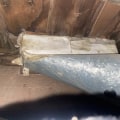
Sealing air ducts is a critical aspect of maintaining an efficient and effective HVAC system. Many homeowners underestimate the importance of proper duct sealing, often leading to significant energy losses and compromised indoor air quality. When air ducts are not sealed correctly, conditioned air can escape into unconditioned spaces, resulting in higher energy bills and uneven temperature distribution throughout the home. This not only affects comfort levels but also places additional strain on the HVAC system, potentially leading to premature wear and costly repairs.Moreover, the benefits of sealing ducts extend beyond just energy efficiency.
Properly sealed ducts can significantly improve indoor air quality by preventing dust, allergens, and other pollutants from entering the airflow. Leaky ducts can draw in contaminants from attics, basements, or crawl spaces, which can exacerbate respiratory issues and allergies for occupants. By ensuring that your ductwork is sealed effectively, you create a healthier living environment while also enhancing the overall performance of your heating and cooling systems.In addition to energy savings and improved air quality, sealing ducts can also contribute to noise reduction within the home. Unsealed ducts can amplify sounds from the HVAC system, leading to a noisy environment that detracts from comfort.
By addressing these leaks with proper sealing techniques, homeowners can enjoy a quieter atmosphere while maximizing the efficiency of their HVAC systems. In this article, we will explore the superior options for sealing ducts from a professional's perspective, ensuring that you have the knowledge needed to make informed decisions about your air duct repair needs.
Common Duct Sealing Mistakes to Avoid
When it comes to air duct repair, many homeowners unknowingly make critical mistakes that can compromise the efficiency of their HVAC systems. Understanding these common errors is essential for ensuring a proper seal and avoiding unnecessary costs.One of the most prevalent mistakes is the reliance on duct tape for sealing ducts. Despite its name, duct tape is not designed for this specific application.It can degrade over time, especially in high-temperature environments, leading to leaks that can significantly reduce system efficiency. Instead of providing a long-lasting seal, duct tape often leaves behind a sticky residue that complicates future repairs.Another frequent error is neglecting to clean the surfaces before applying any sealing material. Dust, dirt, and grease can prevent adhesives from bonding effectively, resulting in weak seals that fail prematurely. Always ensure that the area around the duct joints is thoroughly cleaned and dried before applying putty sealant or aluminum foil tape.Homeowners also tend to underestimate the importance of using the right materials. It can degrade over time, especially in high-temperature environments, leading to leaks that can significantly reduce system efficiency. Instead of providing a long-lasting seal, duct tape often leaves behind a sticky residue that complicates future repairs.Another frequent error is neglecting to clean the surfaces before applying any sealing material. Dust, dirt, and grease can prevent adhesives from bonding effectively, resulting in weak seals that fail prematurely. Always ensure that the area around the duct joints is thoroughly cleaned and dried before applying putty sealant or aluminum foil tape.Homeowners also tend to underestimate the importance of using the right materials.
For instance, using standard adhesive products instead of specialized duct sealing solutions can lead to inefficiencies. Products like putty sealant and aluminum foil tape are specifically engineered to withstand the conditions within HVAC systems, providing a more reliable and durable seal.Additionally, many individuals overlook the significance of proper application techniques. Applying too little sealant or tape can leave gaps that allow air to escape, while over-application can create bulges that disrupt airflow. It’s crucial to follow manufacturer instructions carefully and apply materials evenly for optimal results.Lastly, failing to conduct regular inspections after sealing can lead to undetected issues down the line.
Even the best seals can wear out or become damaged over time due to temperature fluctuations and system vibrations. Scheduling periodic checks ensures that any potential problems are identified early, allowing for timely repairs.By avoiding these common duct sealing mistakes, homeowners can enhance their HVAC system's performance, reduce energy costs, and prolong the lifespan of their equipment. Investing time in understanding proper sealing techniques will pay off in improved comfort and efficiency.
The Best Options for Sealing Ducts: A Professional's Perspective
When it comes to sealing air ducts, professionals often recommend two standout options: putty sealant and aluminum foil tape. Each method has its unique advantages and is suited for different scenarios, making them the preferred choices in the HVAC industry.Putty Sealant: A Versatile Solution
Putty sealant
is a malleable substance that can be easily applied to duct joints and leaks.
Its flexibility allows it to conform to various shapes and sizes, ensuring a tight seal. Here are some key benefits of using putty sealant:
- Temperature Resistance: Putty sealants are designed to withstand high temperatures, making them ideal for use in heating and cooling systems.
- Durability: Once cured, putty forms a robust bond that can endure the rigors of airflow and temperature fluctuations.
- Ease of Application: Applying putty is straightforward; it can be molded by hand and does not require specialized tools.
Aluminum Foil Tape: The Industry Standard
Aluminum foil tape
, on the other hand, is specifically engineered for HVAC applications. It features a strong adhesive backing that adheres well to metal surfaces, making it an excellent choice for sealing seams and joints in ductwork.
Here are some advantages of aluminum foil tape:
- Strong Adhesion: The adhesive used in aluminum foil tape is designed to withstand extreme temperatures and maintain its grip over time.
- Reflective Properties: The metallic surface helps reflect heat, which can improve energy efficiency in your HVAC system.
- Simplicity: It’s easy to cut and apply, making it a quick solution for sealing ducts.
By selecting the appropriate sealing method, you can ensure optimal performance and longevity of your HVAC system.
Putty Sealant: Advantages and Application Techniques
When it comes to sealing air ducts, putty sealant stands out as a highly effective option. This versatile material offers numerous advantages that make it a preferred choice among HVAC professionals. Understanding these benefits and mastering the application techniques can significantly enhance the efficiency of your duct system.Benefits of Putty Sealant
- Durability: Putty sealant is designed to withstand extreme temperatures and environmental conditions, ensuring a long-lasting seal that won’t crack or degrade over time.
- Flexibility: Unlike rigid sealants, putty remains flexible after curing, allowing it to accommodate any movement or expansion within the ductwork without compromising the seal.
- Ease of Use: Applying putty sealant is straightforward, making it accessible for both professionals and DIY enthusiasts. It can be molded and shaped to fit various joint configurations.
- Non-toxic: Many putty sealants are formulated to be non-toxic, making them safe for indoor use without releasing harmful fumes.
How to Use Putty Sealant for Ducts
To achieve the best results when using putty sealant, follow these steps:
- Preparation: Begin by cleaning the surfaces of the ducts where the putty will be applied.
Remove any dust, grease, or old adhesive to ensure proper adhesion.
- Molding the Putty: Take a sufficient amount of putty and knead it in your hands until it becomes pliable. This step is crucial for achieving an even application.
- Application: Press the molded putty into the joints and seams of the ductwork. Ensure that it fills all gaps completely for an airtight seal.
- Smoothing: Use a putty knife or your fingers to smooth out the surface of the applied putty, ensuring there are no air pockets or uneven areas.
- Curing Time: Allow the putty to cure as per the manufacturer’s instructions before testing the duct system. This ensures that the seal has fully set and will perform optimally.
Application Tips for a Strong Seal
- Temperature Considerations: Apply putty sealant in moderate temperatures to ensure optimal adhesion and curing.
- Avoid Over-application: While it may be tempting to apply a thick layer, a thin, even layer is often more effective and easier to manage.
- Regular Inspections: After application, periodically check the sealed areas for any signs of wear or damage, especially in high-traffic or high-temperature zones.
By following proper application techniques and tips, you can ensure a strong and lasting seal that enhances your HVAC system's performance.
Aluminum Foil Tape: Why It’s a Top Choice for Duct Sealing
When it comes to sealing air ducts, aluminum foil tape stands out as a premier choice among HVAC professionals. Its unique properties make it particularly effective for this application, ensuring that air leaks are minimized and system efficiency is maximized.Benefits of Aluminum Foil Tape
- Durability: Aluminum foil tape is designed to withstand extreme temperatures, making it suitable for both heating and cooling systems. It maintains its integrity in high-heat environments, which is crucial for ductwork.
- Strong Adhesion: The adhesive used in aluminum foil tape is specifically formulated to bond well with metal surfaces, ensuring a secure seal that won’t peel away over time.
- Moisture Resistance: This type of tape is resistant to moisture, preventing mold growth and corrosion in duct systems, which can be a significant issue in humid climates.
- Reflective Properties: The reflective surface of aluminum foil tape helps to improve energy efficiency by reflecting heat back into the duct system, thereby reducing energy costs.
Using Aluminum Foil Tape for Ducts
Applying aluminum foil tape is straightforward, but following best practices ensures optimal results:
- Surface Preparation: Before applying the tape, clean the surface of the duct thoroughly. Remove any dust, grease, or old adhesive residues to ensure a strong bond.
- Cut to Size: Measure the length needed for your application and cut the tape accordingly.
This minimizes waste and ensures a precise fit.
- Application: Press the tape firmly onto the duct surface, smoothing out any bubbles or wrinkles as you go. For best results, use a roller or your hand to apply even pressure across the entire length of the tape.
- Sealing Joints: When sealing joints or seams, overlap the tape slightly to create a continuous barrier against air leaks.
Comparing Putty Sealant and Aluminum Foil Tape: Which is Right for You?
When it comes to sealing air ducts, both putty sealant and aluminum foil tape have their unique advantages and disadvantages. Understanding these differences can help you make an informed decision based on your specific needs and circumstances.Putty Sealant: Strengths and Considerations
Putty sealant
is a malleable substance that can be easily applied to duct joints and leaks.
Here are some of its key benefits:
- Durability: Once cured, putty forms a robust seal that can withstand high temperatures and pressure changes within the duct system.
- Flexibility: Its pliable nature allows it to accommodate movement in the ducts without cracking or breaking.
- Application Ease: Putty can be applied by hand, making it accessible for both professionals and DIY enthusiasts.
- Curing Time: Putty requires time to cure fully, which may delay the sealing process.
- Messy Application: The application can be somewhat messy, requiring careful handling to avoid excess residue.
Aluminum Foil Tape: Strengths and Considerations
Aluminum foil tape
, on the other hand, is specifically designed for HVAC applications. Its advantages include:
- Strong Adhesion: This tape features a powerful adhesive that bonds well to metal surfaces, ensuring a tight seal.
- Quick Application: Unlike putty, aluminum foil tape can be applied quickly, making it ideal for urgent repairs.
- Temperature Resistance: It is engineered to withstand extreme temperatures, making it suitable for both heating and cooling systems.
- Poor Flexibility: Once applied, aluminum foil tape does not accommodate movement as well as putty does.
- Potential for Damage: If not applied correctly, it can peel away from the surface over time, especially in high-traffic areas.
Making the Right Choice
The choice between putty sealant and aluminum foil tape ultimately depends on your specific situation. If you need a long-lasting solution that can handle movement and temperature fluctuations, putty may be the better option. Conversely, if you require a quick fix with strong adhesion for metal ducts, aluminum foil tape could be more suitable.Assessing your ductwork's condition and your sealing needs will guide you toward the best choice for effective air duct repair.
Additional Tips for Effective Duct Sealing
Sealing your air ducts is a crucial step in ensuring the efficiency of your HVAC system. However, the effectiveness of duct sealing can be significantly enhanced with a few additional tips and maintenance practices. Here are some strategies to consider:- Regular Inspections: Schedule routine inspections of your ductwork to identify any potential leaks or damage. Look for signs such as dust accumulation around joints or a noticeable drop in airflow.
- Maintain Cleanliness: Keeping your ducts clean is essential for optimal performance.
Dust and debris can accumulate over time, leading to blockages that reduce efficiency. Consider hiring a professional duct cleaning service every few years.
- Use Quality Materials: When sealing ducts, always opt for high-quality materials like putty sealant or aluminum foil tape. These products are designed to withstand the conditions within HVAC systems and provide a long-lasting seal.
- Check Insulation: Ensure that your ducts are properly insulated, especially if they run through unconditioned spaces like attics or basements. Insulation helps maintain temperature and reduces energy loss.
- Seal All Joints and Connections: Pay special attention to all joints, seams, and connections in your ductwork.
These areas are often the most susceptible to leaks. Use putty sealant generously at these points for a robust seal.
- Monitor System Performance: After sealing your ducts, keep an eye on your HVAC system's performance. If you notice any changes in airflow or temperature consistency, it may indicate that further adjustments are needed.
Frequently Asked Questions About Duct Sealing
When it comes to air duct repair and sealing, homeowners often have numerous questions.Understanding the nuances of duct sealing can help you make informed decisions and ensure your HVAC system operates efficiently. Here are some frequently asked questions regarding duct sealing:
What is duct sealing?
Duct sealing is the process of closing off leaks and gaps in your air ducts to prevent air loss. This is crucial for maintaining energy efficiency and ensuring that your heating and cooling systems work effectively.Why is duct sealing important?
Sealing your ducts can significantly improve the efficiency of your HVAC system. Leaky ducts can lead to a loss of conditioned air, resulting in higher energy bills and inconsistent temperatures throughout your home.Properly sealed ducts can enhance indoor air quality by reducing dust and allergens.
How do I know if my ducts need sealing?
- Increased energy bills: A sudden spike in your energy costs may indicate that your ducts are leaking.
- Uneven temperatures: If certain rooms are consistently warmer or cooler than others, it could be a sign of duct leaks.
- Visible damage: Inspect your ducts for any visible signs of wear, such as holes or disconnected sections.
- Dust accumulation: Excessive dust around vents may suggest that air is escaping from the ducts.
What materials are best for sealing ducts?
The two most recommended materials for sealing ducts are putty sealant and aluminum foil tape. Putty sealant provides a robust seal that can withstand high temperatures, while aluminum foil tape is specifically designed for ductwork and offers excellent adhesion.Can I seal my ducts myself?
While some homeowners may choose to tackle duct sealing as a DIY project, it is often best left to professionals. Proper sealing requires knowledge of HVAC systems and the right materials to ensure a long-lasting solution. A professional can also conduct a thorough inspection to identify all potential leaks.How often should I have my ducts sealed?
The frequency of duct sealing depends on various factors, including the age of your home, the condition of your HVAC system, and local environmental conditions.Generally, it’s advisable to have your ducts inspected every few years or whenever you notice signs of inefficiency.By addressing these common questions about duct sealing, homeowners can better understand the importance of maintaining their HVAC systems and make informed choices regarding air duct repair.
Conclusion: The Key Takeaways on Duct Sealing Options
In summary, the process of sealing air ducts is not merely a matter of convenience; it is a critical component of maintaining an efficient and effective HVAC system. The choice of sealing materials can significantly impact the performance of your heating and cooling systems, as well as your overall energy consumption.Throughout this article, we have explored the inadequacies of using traditional adhesive tape for duct sealing. While it may seem like a quick fix, duct tape is not engineered to withstand the unique conditions present in HVAC systems. Instead, we have highlighted two superior options: putty sealant and aluminum foil tape .Putty sealant
offers a robust solution for sealing joints and leaks.
Its ability to withstand high temperatures makes it particularly suitable for use in air ducts, where fluctuations in temperature can occur. When applied correctly, putty creates a long-lasting seal that can endure the rigors of an HVAC system.On the other hand, aluminum foil tape is specifically designed for ductwork applications. Its strong adhesive properties ensure that it adheres well to various surfaces, providing a reliable barrier against air leaks. This type of tape is also resistant to moisture and can handle the thermal expansion and contraction that occurs within duct systems.As you consider your options for sealing ducts, remember that both putty sealant and aluminum foil tape are far superior to duct tape.
Choosing high-quality products and ensuring proper application will lead to better energy efficiency, improved indoor air quality, and reduced utility bills.In conclusion, investing time and resources into selecting the right materials for duct sealing is essential. By opting for putty sealant or aluminum foil tape, you are taking proactive steps toward enhancing your HVAC system's performance. Don’t hesitate to consult with a professional if you have any doubts about the best sealing method for your specific needs. Your home’s comfort and efficiency depend on it.